Community priorities & service design
Explore what matters, what is working and where people experience gaps. Shape proposals with lived experience and local knowledge alongside service and policy responsibilities.
Government · Councils · Community organisations
Decisions about a community need the people who live them.
You need to shape a service, program or shared response with the people affected, not simply ask for feedback on a finished idea. I help bring community knowledge, lived experience and organisational responsibility into the same conversation, then turn what is heard into practical next steps.
Led by Emeli Paulo through SoCo. Specialist research, learning design, writing or visual communication can be included where the agreed scope needs them.
We discuss purpose, participation, fit, scope and timing before you decide.
Working on culture inside your organisation? Explore Culture by Co-design for workplaces.
What we can work on
Explore what matters, what is working and where people experience gaps. Shape proposals with lived experience and local knowledge alongside service and policy responsibilities.
Bring government, providers and community partners together to work through shared purpose, capacity, responsibilities and next steps.
Co-create learning and practical resources that help staff consider lived experience in everyday decisions and service practice.
Design facilitated spaces for shared learning, synthesis and partner-led planning. Follow-up and transition support are agreed as part of the engagement.
How we work together
Clarify the decisions, who holds responsibility and what participants can genuinely influence. Plan access, cultural care, consent, confidentiality and reporting before the work begins.
Use conversations, quiet reflection, written input and facilitated groups suited to the context. Consider who is missing and how they can contribute, rather than relying only on the loudest voices.
Bring input into themes, proposals and unresolved questions. Return these for review and correction. Where agreed, recording and voice transcription support human-led synthesis; AI does not establish agreement.
Work through priorities, feasibility, responsibilities and next steps with the relevant people. Distinguish participant proposals from decisions made by the commissioning organisation, and agree how the response is communicated.
Co-design is not a promise that everyone will agree. The work makes different perspectives, constraints and decision responsibilities visible, without treating participation as endorsement.
What you receive
We agree which outputs are needed, who receives them and what follow-up is included. Depending on your brief, these can include:
A focused workshop, a connected engagement or ongoing delivery support can be scoped. This is facilitation and design support, not a guarantee of policy adoption, funding or community outcomes.
Relevant experience

Community of Practice & lived-experience workforce learning
Facilitated cross-sector collaboration across government, service providers and community partners, alongside bespoke learning to help staff integrate lived experience into everyday practice. Network transition planning saw six partner organisations volunteer to host future sessions beyond initial program funding.
Delivered: Community of Practice facilitation, co-created workforce learning modules, participant workbooks and network transition planning.
The hosting commitments describe partner intentions at transition, not verified long-term continuation.
Regional community mapping, Robinvale and Mildura
Community and stakeholder mapping, engagement with young people, families and Elders, identification of community strengths and service gaps.
First Nations and youth community practice
Youth camps, school and community programs, Elder engagement, national parks-based learning, train-the-trainer and community-led adaptation.
Led by Emeli Paulo
My Rotuman, Fijian and Australian lived experience shapes my attention to power, belonging and whose knowledge is heard. I bring warmth, humour and practical facilitation, with respect for local expertise and the responsibilities people carry.
Human Ecosystems Design connects the people, relationships, places and systems around a brief. It is a way to understand the conditions together, not an outside solution imposed on a community.
More about Emeli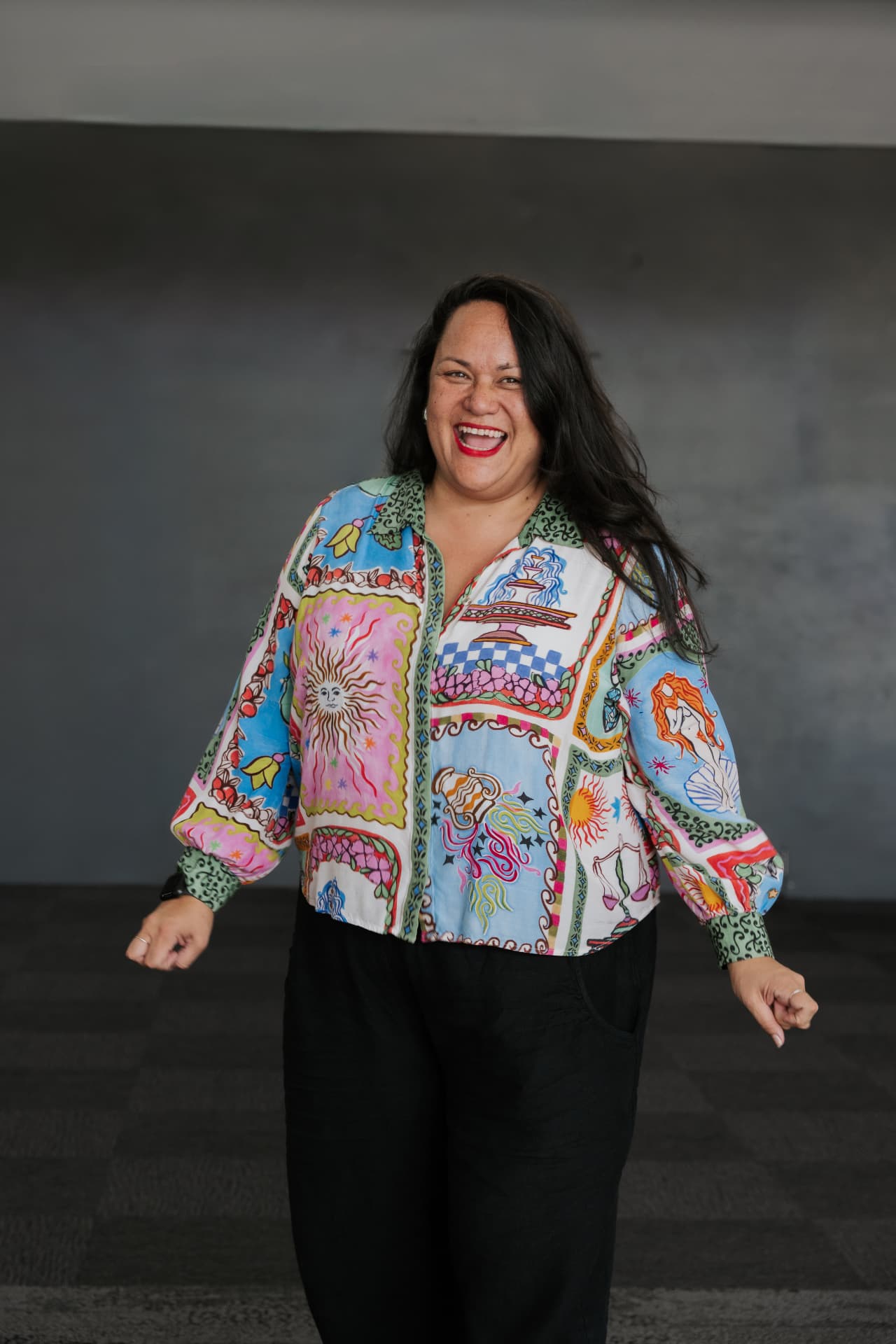
Tell me about the decision, the people affected and what needs to happen next. We can explore a process that respects community knowledge and the realities of delivery.
We discuss purpose, participation, fit, scope and timing before you decide.